Sunday, October 29, 2023
No doubt, you already know Florida is quite a large state. It is a long peninsula with the Atlantic Ocean on the East; Gulf of Mexico on the West; islands extending into the Caribbean; and a panhandle that spans a good distance along the Gulf of Mexico. At more than 830 miles from top to toe, it would take nearly 14 hours, non-stop at 60mph, to drive the length of the state. And so, Floridians have come up with “named regions” to differentiate and/or highlight areas of the state. Cities have nicknames; geographic areas have nicknames; the coasts have nicknames. You’ve got the Northeast Region; the Central East Region and the Southeast Region; then the Southwest Region, the Central Region, and West Central Region; along with the North Central Region and Northwest Region. Each of them has unique geology, flora and fauna, culture and history.

Earlier this month, your RovingRaconteurs visited the North Central Region. Specifically, we chose to visit the historic towns Live Oak, White Springs, and Lake City. This area is known for its rivers and lakes; forests and trees; its Native American history; and its warm and hospitable Southern culture. These three cities are a part of the Suwannee River area which has fostered human habitation for thousands of years.
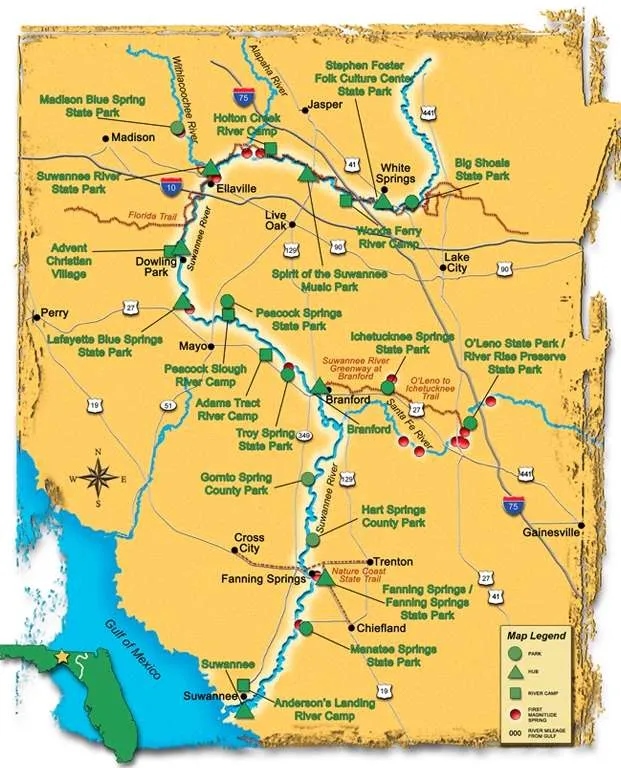
- The Timuca-speaking peoples, the Yustaga, the Northern Utina all lived here.
- By 1633, the Spanish had established missions to convert the Timucua peoples to Christianity.
- Then, by the 1760s and after the Seven Years War, Spain ceded Florida to Great Britain.
- But at the end of the Revolutionary War, Britain relinquished its territory back to Spain.
- Colonists from the North began migrating South.
- Several Native American tribes congregated along the river (they will soon become known as Seminoles.)
- During the War of 1812, the Native Americans align with the British.
- And for that reason, they are not welcomed back to their native lands when that war ends.
- And so….the First Seminole War is waged from 1816-1819.
- In 1836, the Second Seminole War commences. This is the direct result of the 1830 Indian Removal Act requiring Native Americans living east of the Mississippi River to relocated west of the river.
- By 1842 it is over; and by 1845, Florida becomes America’s 27th state.
- In 1855, in pursuit of those Seminoles who refused to move across the river, the third and final Seminole War was waged.
- On January 10, 1861, Florida, following Mississippi and South Carolina, seceded from the Union.
- Confederate troops fired upon Fort Sumter on April 12, 1861—and the Civil War began.
- On April 26, 1865, Florida surrendered.
Notably, it was during the Civil War that the Pensacola & Georgia Railroad moved supplies around the Confederacy. And that gave rise to a small community along the tracks where a railroad station was built. It was called Live Oak Station after the Southern Live Oak tree where the workers would enjoy some shade and rest after eating their lunch.
The historic communities of Live Oak, White Springs, and Lake City found prominence.
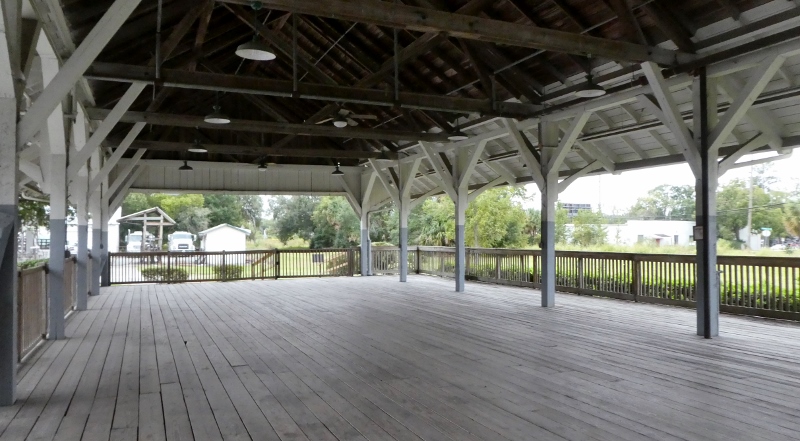
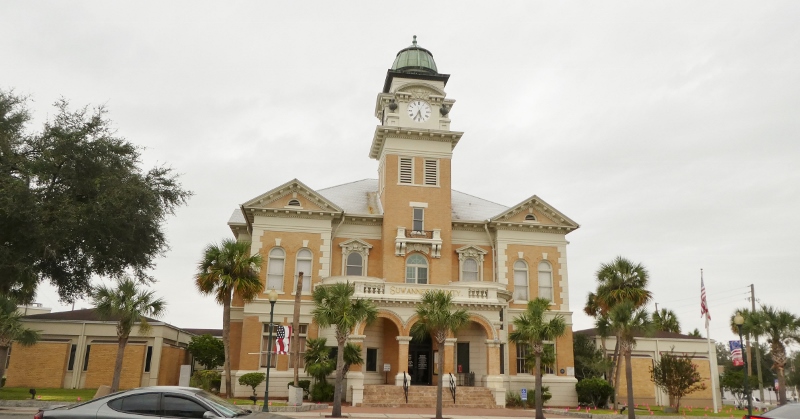
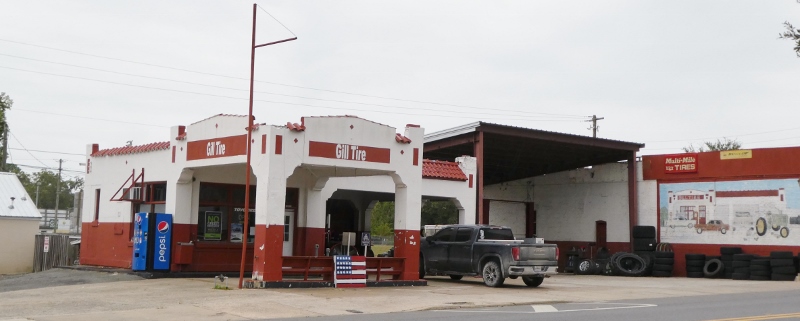
Here are some photos:
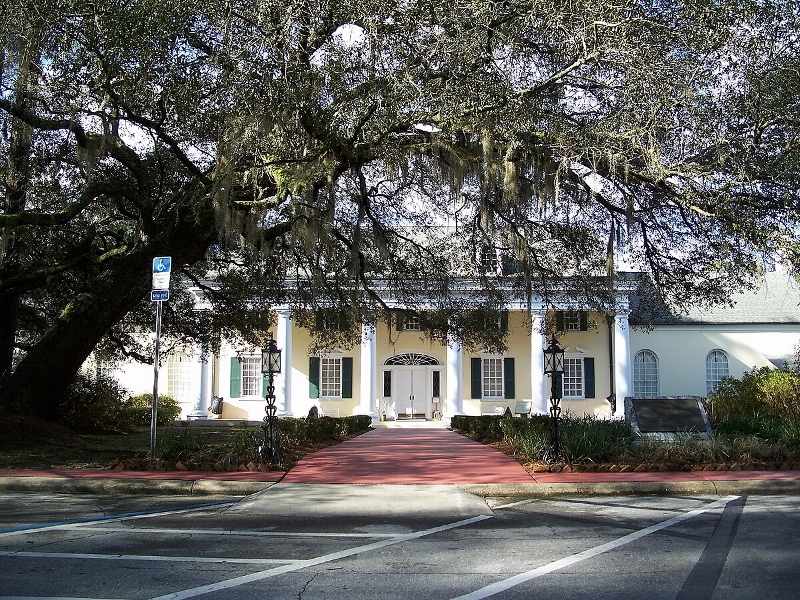
Starting with Live Oak
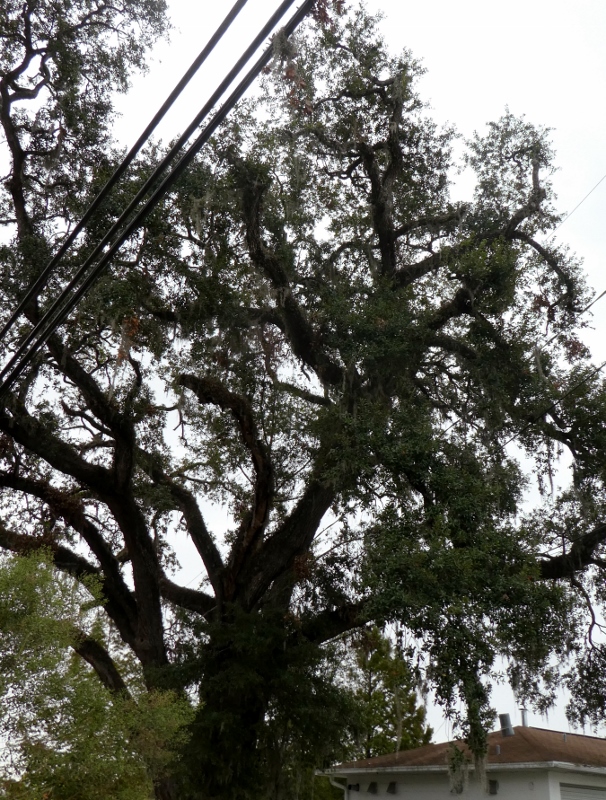

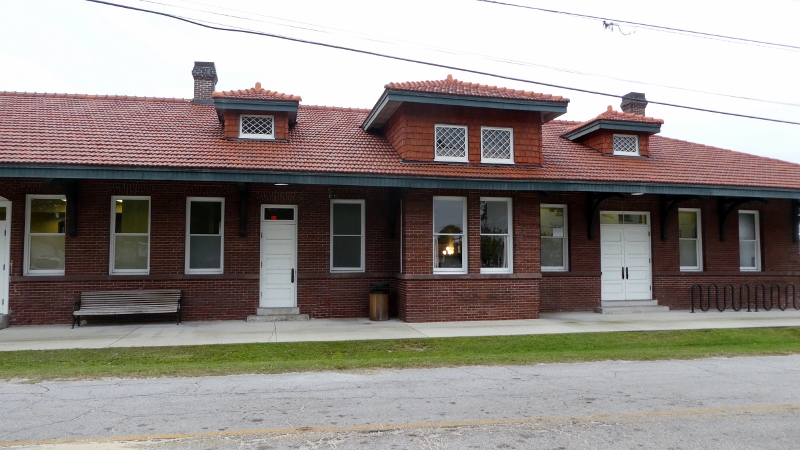
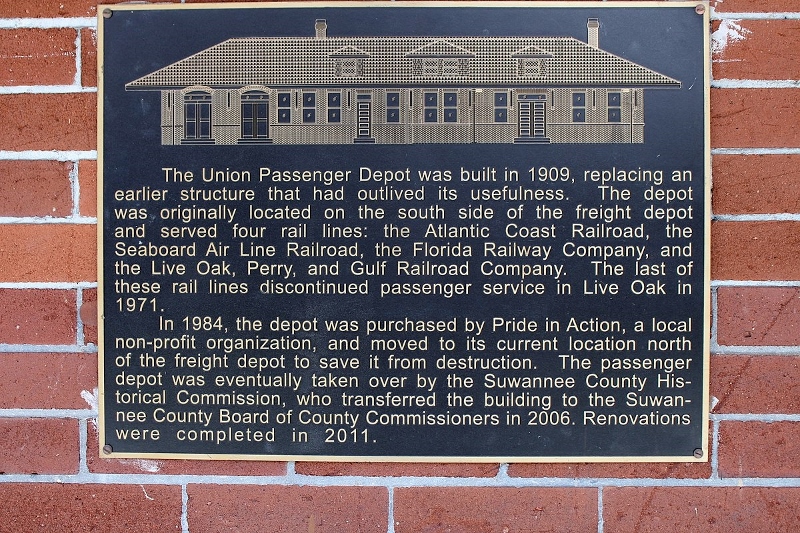
(Photo by Michael Rivera; Creative Commons Attribution-Share Alike 4.0 International)


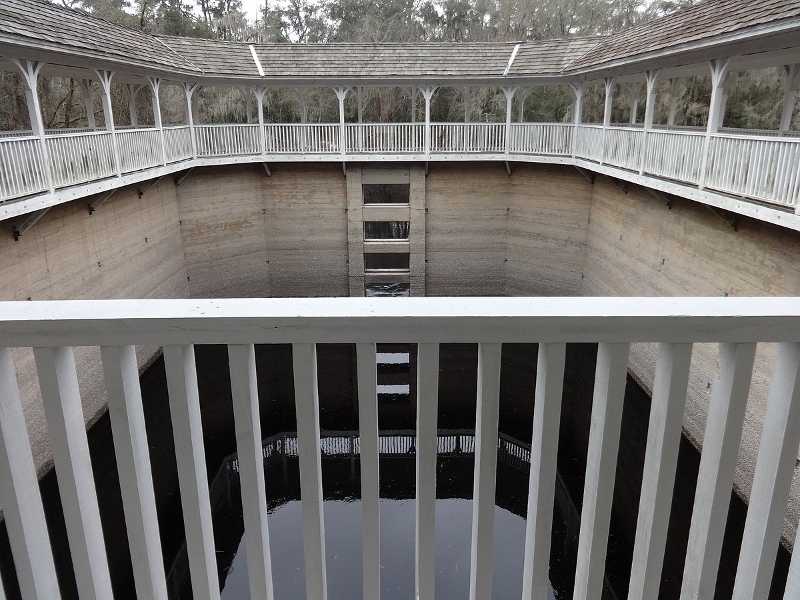
Crossing the Suwannee River to White Springs

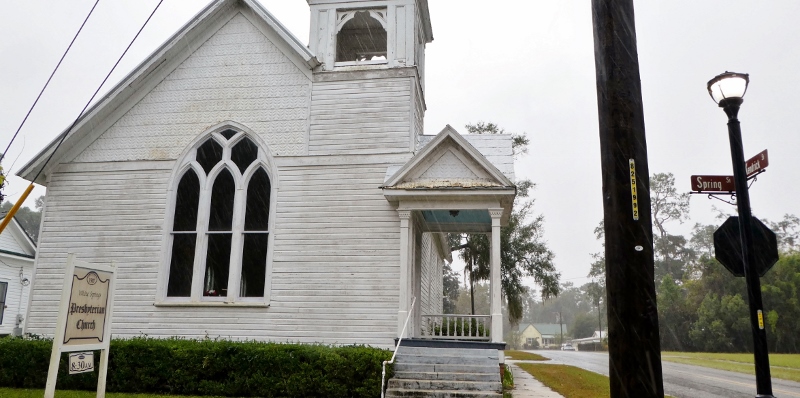


(This photo was taken by Michael Rivera; Creative Commons Attribution-Share Alike 4.0 International)

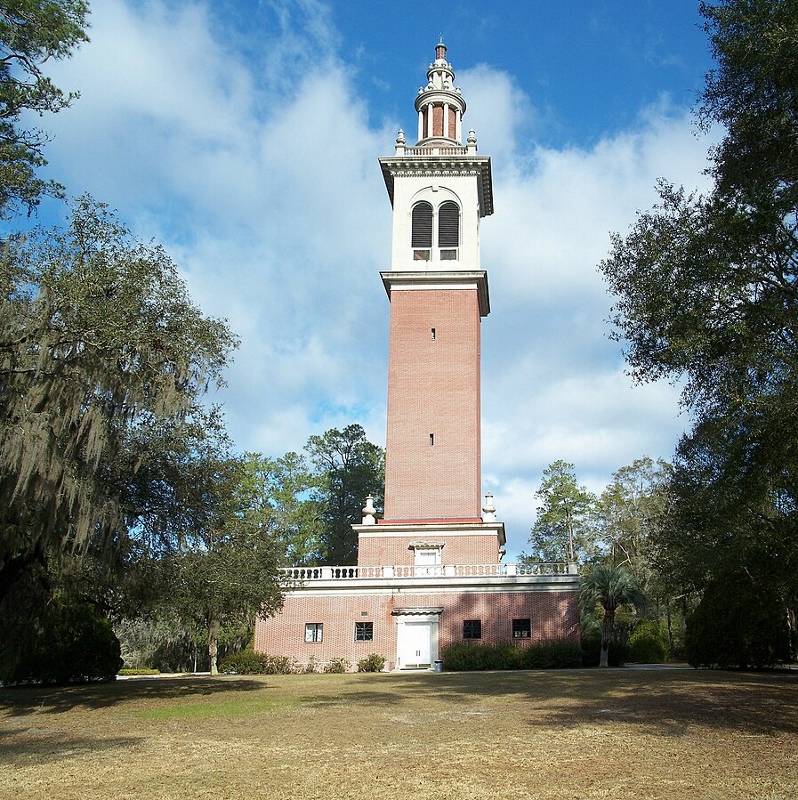
(photo by Ebyabe, Creative Commons Attribution 2.5)


(this photo was taken by Michael Rivera, Creative Commons Attribution-Share Alike 4.0 )

(Library of Congress, public domain)
(Michael Rivera; Creative Commons Attribution-Share Alike 4.0 International)
(Ebyabe, Creative Commons Attribution-Share Alike 2.5)

And finishing up in Lake City

(Unknown author, Public domain )

( Unknown author, Public domain)

(Ebyabe, Creative Commons Attribution 2.5)
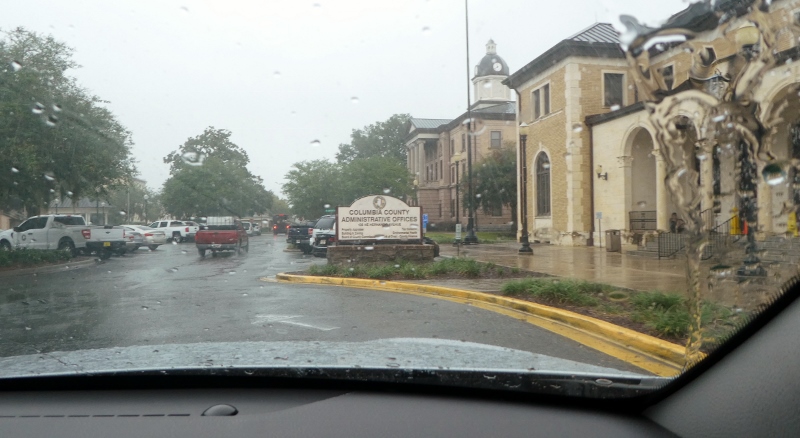

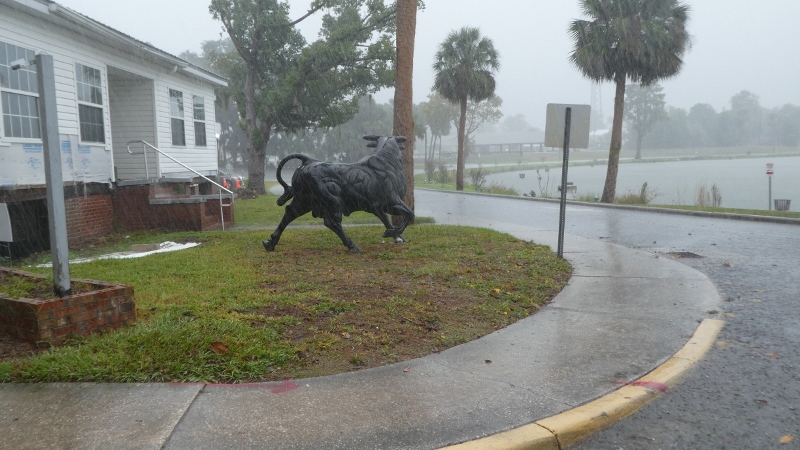

We had hoped to tour this area on our way to a reunion in Fort Walton Beach. Unfortunately, the weather was simply uncooperative!!! Happily, we visit Fort Walton Beach often!!! We really must plan to visit this area again.
Maybe next year!!!
 RovingRaconteurs.com
Check out the Plant family. Real players in the early 1900s. Tampa area.
LikeLike
Well, now you’ve done it!!! Another deep dive into the Google Rabbit Hole!!! Plant and Flagler sound, very much, alike.
LikeLike
John Deering also.
LikeLike
Tend to think of the Deering family in terms of Chicago and farming; but a trip to Miami to see Villa Vizcaya would be fun!!!
LikeLike
Always happy to see your posts pop up 🙂 Wonderful photos from a great trip! Really appreciated the map as Florida is quite unknown to me except for some coastal areas.
How are you two doing? Planning your next cruise?
LikeLike
Hi Patricia,
Good to hear from you!! Glad you liked the maps!!! We were hoping they’d be helpful.
LikeLike